
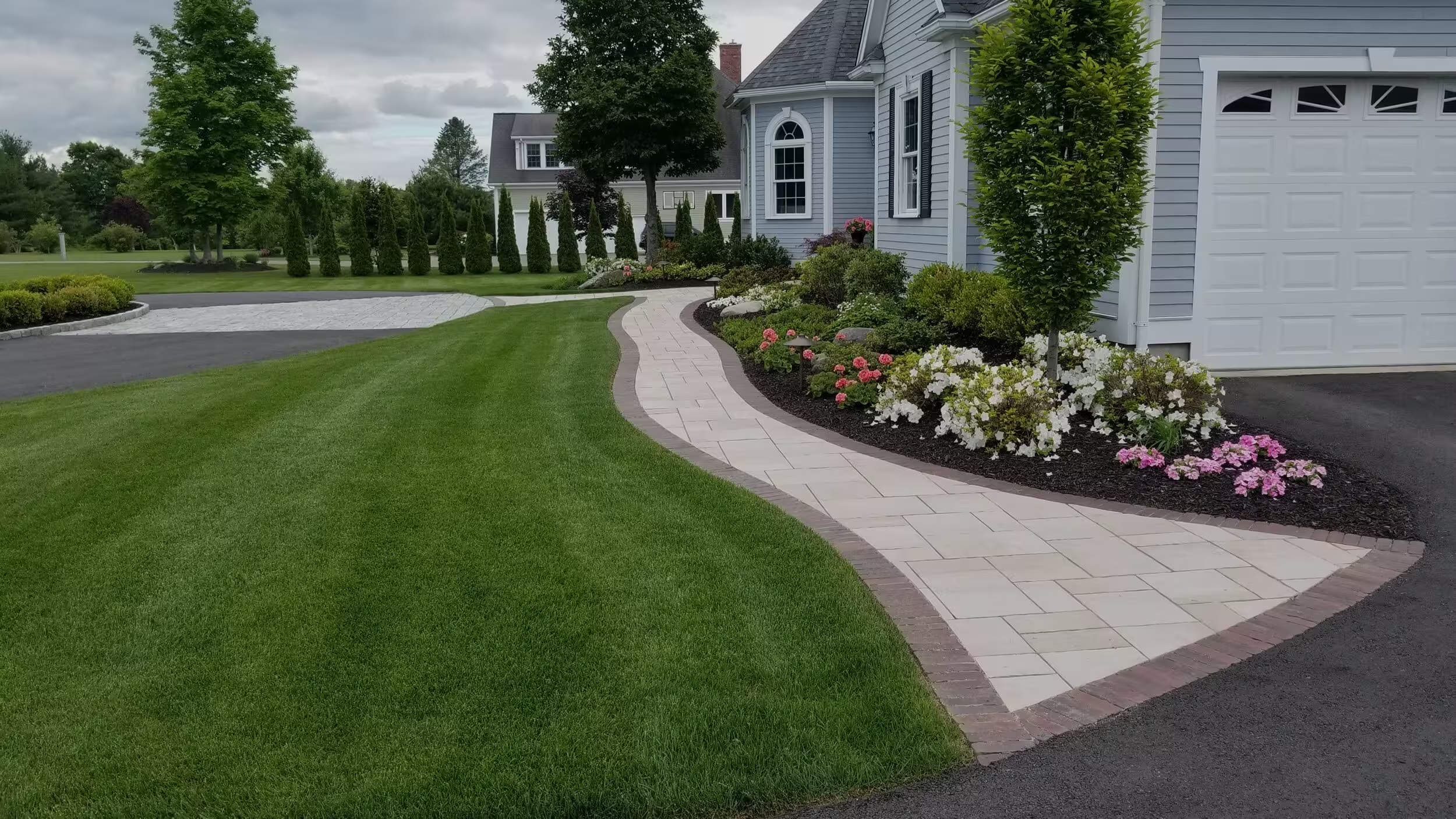
Landscaping & Grounds Maintenance Services
Perfect Solution Contracting provides landscaping and grounds maintenance services as part of integrated facility management for commercial, government, residential, administrative, and other managed properties.
Landscaping combines the management of softscape, irrigation, planted areas, lawns, trees, shrubs, groundcover, and selected hardscape elements to support the appearance, usability, and ongoing maintenance of external spaces.
Landscape maintenance requirements vary according to climate, plant species, soil conditions, irrigation design, water quality, seasonal conditions, site usage, landscape maturity, and the approved maintenance scope.
A structured landscape programme therefore requires more than routine watering and trimming. It can involve horticultural maintenance, irrigation monitoring, soil management, plant-health observations, pruning, lawn care, cleaning, hardscape coordination, and maintenance records.
Softscape Maintenance
Softscape refers to the living and horticultural elements of the landscape, including trees, shrubs, lawns, groundcover, seasonal plants, planting beds, and other vegetation.
Softscape maintenance can include irrigation, pruning, trimming, mowing, edging, soil care, weed management, replacement planting, and general horticultural observations according to the requirements of each planted area.
Hardscape Maintenance
Hardscape includes non-living external landscape elements such as pathways, paved areas, kerbs, edging, planters, decorative surfaces, landscape structures, and other external architectural features.
Facility-management inspections can identify damaged paving, loose elements, settlement, staining, deterioration, or other conditions requiring cleaning, repair, or specialist assessment.
Landscape Condition Assessment
Landscape condition assessments can help identify the current condition of planted areas, irrigation systems, lawns, trees, shrubs, soil, hardscape, and other landscape assets.
Findings can be used to develop maintenance priorities, replacement requirements, corrective actions, and longer-term landscape improvement plans.
Lawn Maintenance
Lawn maintenance can include mowing, edging, irrigation, inspection, removal of debris, and other horticultural activities appropriate to the grass species and site conditions.
Mowing frequency and cutting requirements should be adjusted according to growth rate, season, grass type, irrigation, environmental conditions, and the intended appearance of the landscape.
Lawn Mowing & Edging
Regular mowing supports an organised appearance and helps maintain landscaped lawn areas according to the intended maintenance standard.
Edging can be used around pathways, planting beds, kerbs, and other boundaries to maintain separation between lawn and adjacent surfaces.
Tree Maintenance
Trees require appropriate maintenance according to species, age, condition, location, and surrounding infrastructure.
Activities may include visual condition observations, pruning, removal of dead or damaged branches where appropriate, irrigation review, soil care, and coordination of specialist arboricultural assessment where required.
Tree Pruning
Tree pruning should be carried out according to the species, condition, objective of the pruning, and appropriate horticultural practices.
Large trees, difficult-access locations, work near electrical services, or potentially hazardous branches may require specialist personnel, equipment, access controls, and an appropriate risk assessment.
Shrub & Hedge Maintenance
Shrubs and hedges can require periodic trimming, pruning, irrigation, soil maintenance, and general condition monitoring.
Trimming frequency should consider plant species, growth pattern, seasonal conditions, design intent, and surrounding pathways or building elements.
Groundcover Maintenance
Groundcover planting can help provide visual continuity and planted coverage in selected landscape areas.
Maintenance can include irrigation, trimming, removal of unwanted growth, replacement of damaged plants, and general planting-bed care.
Seasonal Planting
Seasonal planting can be incorporated where required by the landscape design and facility presentation requirements.
Plant selection should consider seasonal temperature, sunlight, irrigation requirements, soil conditions, expected maintenance, and the intended planting period.
Plant Replacement
Dead, severely deteriorated, or unsuitable plants may require replacement according to the approved landscape requirements.
Replacement species should be selected with consideration for existing design intent, climate, irrigation availability, location, mature plant size, and maintenance requirements.
Plant Health Monitoring
Landscape maintenance teams can monitor visible plant condition and identify symptoms such as abnormal discoloration, wilting, physical damage, unusual leaf loss, or other signs requiring further assessment.
Plant-health problems can have multiple causes, including irrigation, soil conditions, environmental stress, nutrient issues, pests, disease, or physical damage, so corrective action should be based on an appropriate assessment.
Irrigation System Maintenance
Irrigation systems are important landscape assets and should be maintained according to their design, operating conditions, plant requirements, and seasonal demand.
Systems may include irrigation controllers, valves, solenoids, piping, sprinklers, drip irrigation, filters, pumps, sensors, and other components depending on the installation.
Irrigation Controllers
Irrigation controllers determine watering schedules and operating durations for individual landscape zones according to the installed system.
Programmes can be reviewed periodically to reflect seasonal requirements, plant condition, operating restrictions, and observed site conditions.
Sprinkler Systems
Landscape sprinkler systems require inspection for damaged heads, blocked nozzles, incorrect spray patterns, leakage, misalignment, or other conditions affecting irrigation coverage.
Sprinkler operation should also consider adjacent pathways, roads, building facades, electrical equipment, and other areas where unnecessary water discharge should be avoided.
Drip Irrigation
Drip irrigation can provide water directly to selected planted areas through emitters and distribution lines.
Maintenance can include checking for blocked or damaged emitters, leakage, filtration condition, pressure issues, damaged tubing, and appropriate distribution to planted areas.
Irrigation Valves & Solenoids
Irrigation valves and solenoids control water flow to individual zones and can require inspection where zones fail to operate, remain open, leak, or respond incorrectly to controller commands.
Fault diagnosis should consider the valve, solenoid, control wiring, controller output, water supply, and hydraulic conditions as applicable.
Irrigation Pump Maintenance
Where landscape irrigation uses pumps, maintenance can include checking for leakage, abnormal noise, vibration, motor condition, electrical connections, pressure, controls, and other equipment-specific requirements.
Pump maintenance should be coordinated with the irrigation-system operating requirements and approved maintenance programme.
Irrigation Leak Detection
Visible irrigation leaks, continuously wet areas, abnormal water consumption, loss of pressure, or poor zone performance can indicate a fault requiring investigation.
Identified leaks should be located and repaired according to the affected piping, fitting, valve, sprinkler, emitter, or other system component.
Water Management
Landscape irrigation should provide appropriate water for planted areas without unnecessary overwatering or uncontrolled runoff.
Watering schedules can be reviewed according to plant requirements, weather conditions, season, soil characteristics, irrigation-system performance, and facility operating requirements.
Irrigation Scheduling
Irrigation scheduling should be adjusted according to actual landscape conditions rather than using the same programme throughout the year without review.
Changes in temperature, plant growth, rainfall, maintenance activities, and seasonal demand can affect irrigation requirements.
Soil Condition Management
Soil characteristics influence water retention, drainage, root development, and plant performance.
Where plant-health problems are recurring, soil condition may need to be considered together with irrigation, drainage, planting practices, and other environmental factors.
Soil Improvement
Soil improvement may be required in selected areas where existing conditions do not adequately support the intended planting.
The appropriate treatment depends on the soil condition, plant requirements, drainage, and landscape specification and should be determined according to the needs of the specific area.
Mulching
Mulch may be used in selected planting areas as part of the landscape design and maintenance programme.
The type, depth, placement, and maintenance of mulch should be appropriate for the plants, irrigation arrangement, and intended landscape finish.
Weed Management
Weed management can include manual removal and other appropriate methods according to the landscape area and approved maintenance procedures.
Where chemical treatment is proposed, the product, application method, personnel qualifications, site restrictions, and applicable requirements should be considered before use.
Pest & Disease Coordination
Landscape plants can be affected by pests and diseases that require appropriate identification before treatment.
Where specialist pest-control or plant-health treatment is required, activities should be coordinated with appropriately qualified or authorised personnel according to the applicable requirements.
Fertilisation Coordination
Fertilisation requirements depend on plant species, soil conditions, landscape objectives, seasonal conditions, and other horticultural factors.
Fertiliser selection and application should be based on appropriate landscape requirements rather than applying the same treatment universally to all planted areas.
Landscape Drainage
Appropriate drainage helps manage irrigation water, rainfall, and surface runoff within landscaped areas.
Ponding, persistently saturated soil, erosion, or water flowing into inappropriate areas can indicate drainage, grading, irrigation, or maintenance issues requiring further investigation.
Pathways & Paved Areas
Landscape pathways and paved areas should be maintained to support safe access and the intended external appearance of the property.
Inspections can identify loose pavers, damaged surfaces, settlement, vegetation growth, staining, trip hazards, or other conditions requiring maintenance.
Kerbs & Landscape Edging
Kerbs and edging help define landscape zones and separate planting, lawn, paving, and circulation areas.
Damaged, displaced, or deteriorated elements can be recorded and repaired according to the approved landscape and civil-maintenance requirements.
Planters & Planting Beds
Planters and planting beds require coordinated maintenance of vegetation, soil, irrigation, drainage, edging, and surrounding finishes.
Water leakage, blocked drainage, damaged finishes, or deterioration around built-in planters should be reported for appropriate corrective action.
Landscape Lighting Coordination
External landscape lighting can include pathway lights, bollards, uplights, feature lighting, and other luminaires integrated with external areas.
Landscape teams can report damaged fittings, obstructions caused by vegetation, or other visible issues, while electrical maintenance should be carried out by appropriately qualified personnel.
Outdoor Furniture
External spaces may contain benches, tables, bins, planters, shade structures, and other site furniture requiring routine inspection and maintenance.
Damaged, loose, corroded, or deteriorated elements can be reported and coordinated with the appropriate maintenance team.
Fences & Landscape Structures
Landscape areas may include decorative fences, screens, pergolas, trellises, shade structures, and other external features.
Their condition can be reviewed as part of external-area inspections, with repairs coordinated according to the material and approved maintenance scope.
Water Features
Decorative water features may include pumps, filters, nozzles, lighting, controls, water-treatment components, and associated civil finishes depending on the design.
Their maintenance should consider both the landscape appearance and the mechanical, electrical, water-quality, and safety requirements of the installed system.
Landscape Cleaning
External landscape areas require routine cleaning to remove litter, fallen leaves, plant debris, soil, and other materials from planting beds, lawns, pathways, and surrounding external spaces.
Cleaning frequency can be adjusted according to occupancy, weather, seasonal plant behaviour, site usage, and presentation requirements.
Leaf & Green Waste Removal
Pruning, mowing, trimming, and seasonal plant maintenance generate green waste that should be collected and managed according to the facility's waste procedures.
Green waste should not be allowed to obstruct drainage, pedestrian routes, equipment, or other landscape features.
Seasonal Landscape Maintenance
Landscape requirements change during the year as temperature, plant growth, irrigation demand, and environmental conditions vary.
Maintenance programmes can therefore be adjusted seasonally for irrigation, mowing, pruning, planting, fertilisation, and other horticultural activities.
Landscape Maintenance in Hot Climates
Landscaping in hot and dry environments requires particular attention to plant selection, irrigation scheduling, water distribution, soil conditions, shading, and seasonal heat stress.
Landscape management should respond to actual site conditions and plant requirements rather than relying on excessive irrigation as the primary response to high temperatures.
Water-Efficient Landscaping
Water-efficient landscape management can include appropriate plant selection, correctly maintained drip irrigation, irrigation zoning, controller scheduling, leak repair, and adjustment of watering according to actual seasonal demand.
Water-use improvements should be evaluated according to the existing landscape design, irrigation infrastructure, plant requirements, and available water source.
Native & Climate-Appropriate Plants
Where suitable for the project, native or climate-appropriate plant species can be considered according to landscape design requirements, appearance, availability, water needs, maintenance requirements, and site conditions.
Plant selection should also consider mature size, root behaviour, proximity to buildings and utilities, and compatibility with the intended landscape area.
Landscape Safety Inspections
External landscape inspections can identify conditions that may affect facility users, such as damaged paving, low branches, unstable landscape elements, exposed irrigation components, water accumulation, or obstructed circulation routes.
Identified conditions should be recorded and assigned for appropriate corrective action according to their priority.
Work at Height
Maintenance of tall trees, palms, elevated planting, lighting interfaces, or other high-level landscape elements may require work-at-height controls.
Suitable access equipment, competent personnel, area controls, and appropriate safety procedures should be used according to the nature of the work.
Coordination with Civil Works
Landscape maintenance can interface with civil works where repairs are required to paving, kerbs, drainage, retaining elements, planters, or other external infrastructure.
Coordination helps ensure that landscape components and civil repairs are completed in the correct sequence.
Coordination with Electrical Services
External areas can contain lighting, irrigation controllers, pumps, electrical panels, outlets, and other electrical equipment.
Electrical repairs and modifications should be coordinated with appropriately qualified personnel and the relevant facility-maintenance team.
Coordination with Plumbing & Water Systems
Landscape irrigation may interface with water tanks, pumps, valves, distribution networks, and other water infrastructure depending on the facility.
Problems affecting the main water supply or shared infrastructure should be coordinated with the relevant plumbing or mechanical maintenance team.
Planned Preventive Maintenance
Landscape assets can be incorporated into the facility Planned Preventive Maintenance (PPM) programme.
Scheduled activities can include irrigation inspections, controller reviews, pump checks, pruning, mowing, planting-bed maintenance, cleaning, and other recurring landscape tasks.
Reactive Landscape Maintenance
Reactive work may be required following irrigation leaks, plant damage, fallen branches, damaged paving, weather events, equipment failure, or other unexpected conditions.
Requests can be prioritised according to safety, operational impact, plant condition, water loss, and facility requirements.
Landscape Asset Register
Major landscape assets can be recorded within an asset register where appropriate to the facility-management programme.
Records can include irrigation pumps, controllers, valves, water features, landscape lighting interfaces, major planted areas, and other maintainable landscape assets.
CAFM & CMMS Integration
Landscape maintenance can be scheduled and tracked through Computer-Aided Facility Management (CAFM) or Computerised Maintenance Management Systems (CMMS) where these platforms are used by the facility.
Work orders can include location, asset, maintenance activity, frequency, assigned team, reported defects, corrective action, completion status, and supporting documentation.
Landscape Inspection Records
Routine inspection records can document plant condition, irrigation observations, landscape cleanliness, hardscape defects, safety observations, and outstanding maintenance requirements.
Photographs and location references can be included where useful for tracking recurring conditions or corrective work.
SLA & KPI Monitoring
Landscaping services can be monitored against agreed Service Level Agreements (SLAs) and Key Performance Indicators (KPIs) where these form part of the facility-management contract.
Monitoring can include scheduled maintenance completion, response to landscape defects, irrigation faults, condition inspections, and other agreed service measures.
Performance requirements should be based on the applicable contract and landscape specification rather than applying universal targets to every property.
Landscape Improvement & Enhancement
Existing landscaped areas may require improvement due to plant deterioration, changing facility requirements, irrigation limitations, excessive maintenance demand, or changes to external spaces.
Improvement proposals can consider plant replacement, irrigation modifications, soil improvements, hardscape repairs, lighting coordination, planting-bed changes, and other appropriate landscape enhancements.
Landscape Renovation
Landscape renovation can involve removal and replacement of deteriorated planting, reconfiguration of planting beds, irrigation modifications, hardscape repairs, soil preparation, and reinstatement of external areas.
Renovation work should be coordinated with existing underground and above-ground utilities, drainage, electrical systems, access routes, and other facility infrastructure.
Landscaping & Grounds Maintenance Scope
- Landscape maintenance
- Softscape maintenance
- Hardscape maintenance coordination
- Landscape condition assessments
- Lawn mowing and edging
- Tree maintenance
- Tree pruning
- Shrub and hedge maintenance
- Groundcover maintenance
- Seasonal planting
- Plant replacement
- Plant-health monitoring
- Irrigation system maintenance
- Irrigation controller programming
- Sprinkler inspection
- Drip irrigation maintenance
- Valve and solenoid inspection
- Irrigation pump maintenance
- Irrigation leak detection
- Water-management support
- Seasonal irrigation scheduling
- Soil-condition monitoring
- Soil improvement coordination
- Mulching
- Weed management
- Pest and disease coordination
- Fertilisation coordination
- Landscape drainage observations
- Pathway and paved-area inspections
- Planter maintenance
- Landscape lighting coordination
- Outdoor furniture inspections
- Water-feature coordination
- Landscape cleaning
- Green-waste collection
- Seasonal maintenance programmes
- Water-efficient landscape management
- Landscape safety inspections
- Planned preventive maintenance
- Reactive landscape maintenance
- Landscape asset records
- CAFM and CMMS work orders
- SLA and KPI monitoring
- Landscape improvement and renovation
Integrated Landscape & Facility Management
Effective landscape management requires coordination between horticultural maintenance, irrigation, water management, civil works, drainage, electrical services, cleaning, waste management, and the operational requirements of the facility.
Perfect Solution Contracting provides coordinated landscaping and grounds maintenance services covering planned maintenance, irrigation monitoring, plant care, external-area inspections, corrective work, asset records, and landscape improvement according to the requirements of each facility and the agreed service scope.