
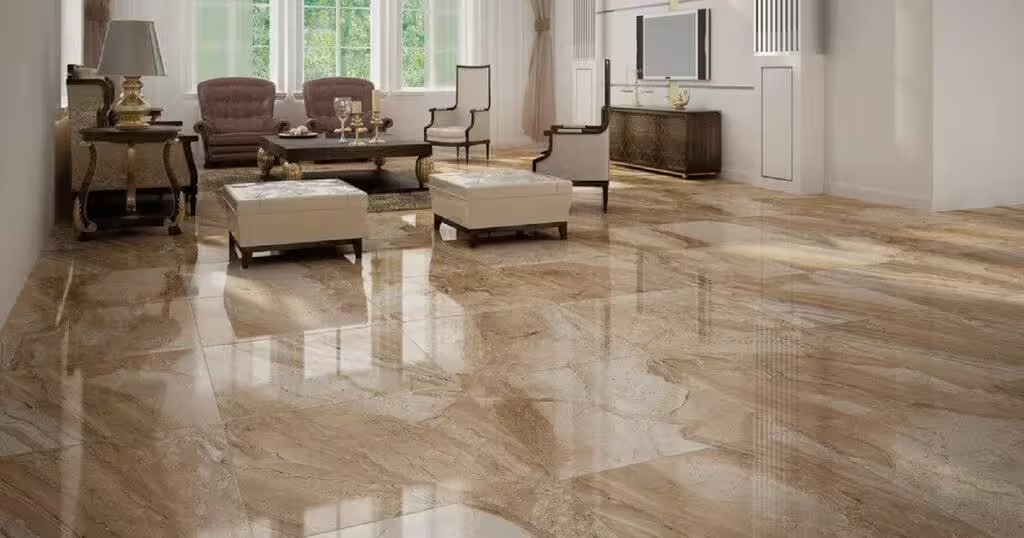
Masonry, Painting & Tiling Services
Perfect Solution Contracting provides masonry, painting, and tiling services as part of integrated facility management, building maintenance, renovation, refurbishment, and construction support.
These architectural and civil maintenance activities help restore damaged surfaces, maintain interior and exterior finishes, modify existing spaces, and reinstate building areas following maintenance or renovation work.
Our scope can include masonry and blockwork repairs, plastering, rendering, surface preparation, painting, ceramic and porcelain tiling, natural stone finishes, grout and sealant works, damaged finish replacement, and associated repair activities according to approved project requirements.
The appropriate repair or finishing system depends on the existing substrate, location, exposure conditions, moisture, intended use, selected materials, approved specifications, and condition of the existing building elements.
Masonry Works
Masonry works can include construction, modification, and repair of walls and other building elements formed using concrete blocks, bricks, stone, mortar, and related materials.
Facility-maintenance masonry work is often associated with local repairs, wall modifications, damaged blockwork, closing or forming openings, refurbishment, and reinstatement following mechanical, electrical, or plumbing works.
Blockwork
Concrete blockwork is commonly used for internal and external walls, partitions, service areas, and other building applications according to the project design.
New or modified blockwork should consider dimensions, alignment, openings, interfaces with existing construction, required supports, building services, and the approved wall specification.
Masonry Repair
Existing masonry can require repair due to physical damage, previous modifications, deterioration, service penetrations, local cracking, or other observed defects.
The cause and extent of significant cracking or movement should be evaluated before cosmetic repair, particularly where a structural condition may be involved.
Wall Modification & Reinstatement
Facility modifications may require forming or closing openings, adjusting partitions, repairing wall sections, or reinstating surfaces following installation or removal of building services.
Modification works should be coordinated with the relevant architectural, structural, mechanical, electrical, plumbing, fire-protection, and low-current requirements where applicable.
Plastering Works
Plastering provides a suitable finished or preparatory surface over masonry and other compatible substrates. It can also be used for local repairs and reinstatement of damaged wall areas.
Proper surface preparation, compatible materials, appropriate thickness, curing where required, and workmanship are important to the performance and appearance of plastered surfaces.
Plaster Repair
Loose, cracked, damaged, or deteriorated plaster can be removed locally and repaired after the underlying condition has been assessed.
Where moisture, movement, leakage, or another underlying defect is responsible for the damage, that condition should be addressed before completing the final surface repair.
Rendering
Render systems may be used on selected internal or external masonry surfaces depending on the building design and approved specification.
Existing render should be assessed for adhesion, cracking, hollow areas, moisture-related deterioration, and compatibility before local repair or replacement.
Surface Preparation
Surface preparation is a critical stage of painting, plastering, tiling, and other finishing works.
Depending on the substrate, preparation can include cleaning, removal of loose material, scraping, sanding, filling, patch repair, levelling, crack treatment, and application of suitable primers or bonding materials.
Crack Assessment & Repair
Cracks can develop for different reasons and should not automatically be treated as a paint defect.
Repair methods depend on the crack type, substrate, movement, moisture condition, location, and whether the defect is cosmetic or requires further technical assessment.
Painting Services
Painting can protect compatible building surfaces and provide the required architectural appearance for interior and exterior areas.
A successful painting system depends on substrate preparation, compatible primers and coatings, application conditions, required number of coats, and compliance with the approved material system.
Interior Painting
Interior painting services can cover offices, corridors, rooms, reception areas, service spaces, ceilings, partitions, and other internal building surfaces.
Paint selection should consider the substrate, intended room use, cleaning requirements, expected traffic, moisture exposure, required finish, and approved colour scheme.
Exterior Painting
Exterior coatings are exposed to environmental conditions such as sunlight, temperature variation, dust, moisture, and weather.
The selected coating system should therefore be suitable for the substrate and exposure conditions and applied according to the manufacturer's requirements and approved project specification.
Repainting & Refurbishment
Existing painted surfaces can require repainting because of ageing, staining, peeling, fading, physical damage, previous repairs, or changes to the interior design.
Existing coatings should be inspected before repainting to determine the necessary cleaning, removal, repair, priming, and preparation requirements.
Primer Application
Primers can improve compatibility and adhesion between suitable substrates and subsequent coating systems and may perform additional functions depending on the selected product.
Primer selection should match the substrate, existing condition, finishing system, and manufacturer's recommendations.
Putty & Surface Levelling
Putty or approved levelling compounds may be used to correct minor surface imperfections before application of the final paint system.
The substrate should be properly prepared and the levelling material should be compatible with the proposed primer and finish coats.
Decorative Coatings
Decorative coating systems can be used where required by the interior or architectural design.
Selection and application should consider the intended appearance, substrate, location, maintenance requirements, approved sample, and product-specific installation requirements.
Colour Matching
Local maintenance and refurbishment work may require matching an existing paint colour or approved finish.
Existing surfaces can change appearance over time, so samples or trial areas may be appropriate before completing larger repair areas.
Moisture-Damaged Paint
Peeling, blistering, staining, or deterioration can sometimes be associated with moisture or water leakage.
Repainting alone may not resolve the problem if the underlying source of moisture remains. The cause should be investigated and appropriate repairs completed before final reinstatement.
Tiling Services
Tiling services can include installation, repair, and replacement of ceramic, porcelain, natural stone, and other approved tile finishes on floors and walls.
Tile performance depends on substrate preparation, levelling, adhesive selection, installation method, joints, grout, movement accommodation, and the conditions of the installation area.
Ceramic Tiles
Ceramic tiles can be used in a range of internal wall and floor applications depending on the selected tile specification and intended use.
Tile selection should consider dimensions, surface finish, location, expected traffic, moisture exposure, cleaning requirements, and compatibility with the substrate and installation system.
Porcelain Tiles
Porcelain tiles are commonly used for floor and wall finishes in commercial, administrative, residential, and other building areas.
The tile, adhesive, grout, substrate preparation, and installation method should be selected according to the project requirements and intended application.
Floor Tiling
Floor tile installation requires a suitable substrate with appropriate levels, preparation, and condition before the finishing system is applied.
Layout, levels, falls where required, joints, interfaces with doors and adjacent finishes, and final floor elevations should be coordinated before installation.
Wall Tiling
Wall tiling is commonly used in washrooms, kitchens, service areas, and other locations requiring durable or cleanable finishes.
Installation should consider wall condition, vertical alignment, tile layout, corners, penetrations, fixtures, joints, and interfaces with ceilings and other finishes.
Tile Replacement
Broken, cracked, loose, stained, or otherwise damaged tiles can be removed and replaced where matching or approved replacement materials are available.
Local replacement should be carried out carefully to reduce unnecessary damage to adjacent tiles, substrates, waterproofing, and concealed building services.
Loose & Hollow Tile Investigation
Loose or hollow-sounding tiles can be associated with installation, adhesion, substrate, movement, or other conditions.
The affected area should be assessed before determining whether local repair or more extensive replacement is appropriate.
Tile Adhesives
Tile adhesive should be suitable for the tile type, substrate, location, tile dimensions, environmental conditions, and approved installation system.
Adhesive selection and application should follow the relevant product requirements rather than applying one adhesive system to every tiling application.
Tile Grouting
Grout fills tile joints and contributes to the finished appearance and serviceability of tiled surfaces.
Grout type, joint width, colour, installation, and maintenance requirements depend on the tile system and application.
Grout Repair
Existing grout can deteriorate, crack, become stained, or separate from tile edges over time.
Damaged grout can be removed and reinstated where appropriate after checking that there is no underlying movement, moisture, or other defect requiring separate corrective action.
Sealant Works
Sealants may be required at selected joints, corners, interfaces, sanitary fixtures, and transitions where a flexible joint is needed.
Sealant selection should consider substrate compatibility, joint movement, exposure conditions, location, and manufacturer recommendations.
Movement Joints
Movement joints should not be rigidly filled with tile adhesive or ordinary grout where movement accommodation is required by the approved installation system.
Existing structural or movement joints should be respected and coordinated through the finishing system as required by the project design.
Tile Layout & Alignment
Tile layout should be planned before installation to coordinate joints, cut tiles, corners, doors, sanitary fixtures, floor drains, wall features, and adjacent finishes.
Appropriate setting-out supports a consistent finished appearance and helps identify dimensional issues before installation progresses.
Floor Levels & Falls
Wet areas and other drained floors may require defined falls toward floor drains according to the approved design.
Tile installation should therefore be coordinated with substrate levels, drain elevations, waterproofing, door thresholds, and adjacent floor finishes.
Wet-Area Tiling
Tiling in bathrooms, washrooms, kitchens, and other wet areas requires coordination with waterproofing, drainage, penetrations, sanitary fixtures, and sealant systems.
Tiles and grout should not be treated as a substitute for the specified waterproofing system where waterproofing is required.
Waterproofing Coordination
Where tiling is installed over waterproofed areas, the waterproofing system should be completed, inspected, and protected according to the approved project procedure before subsequent finishing works.
Tile removal in existing wet areas should also consider the risk of damaging underlying waterproofing.
Natural Stone Finishes
Natural stone can be used for selected floors, walls, stairs, decorative features, and other architectural applications.
Stone type, thickness, fixing method, substrate, supports, joints, sealers where applicable, and maintenance requirements should be considered according to the approved design.
Stone Repair & Replacement
Damaged stone finishes can require local repair, replacement, re-fixing, joint treatment, or specialist restoration depending on the material and condition.
Replacement stone should be reviewed for compatibility with the existing material, dimensions, colour, finish, and fixing arrangement.
Skirting Works
Skirting can be formed using tile, stone, wood, vinyl, or other approved materials depending on the interior finish.
Installation and repair should be coordinated with floor finishes, wall surfaces, corners, door frames, and other architectural elements.
Stair Finishes
Stairs may use tile, stone, or other approved finishes depending on the project design.
Repairs should consider tread and riser dimensions, nosings, joints, substrate condition, interfaces, and any applicable safety requirements.
External Tiling & Paving Interfaces
Exterior tile and stone finishes are exposed to weather, temperature variation, moisture, cleaning, and external traffic conditions.
Materials and installation systems should therefore be appropriate for the intended external application and substrate.
Masonry & MEP Coordination
Masonry and finishing works frequently interface with mechanical, electrical, plumbing, fire-protection, and low-current services.
Openings, sleeves, access panels, outlets, switches, pipes, ducts, drains, and other service components should be coordinated before final finishes are completed.
Reinstatement After MEP Maintenance
Maintenance of concealed building services can require temporary removal or opening of walls, ceilings, tiles, plaster, or other finishes.
Following completion and testing of the technical work, affected architectural areas can be reinstated according to the existing or approved finish requirements.
Facility Refurbishment
Masonry, painting, and tiling works are commonly combined during refurbishment projects to restore or upgrade occupied and operational facilities.
Coordinating these activities helps manage interfaces between demolition, civil repairs, MEP modifications, plastering, waterproofing, flooring, painting, and final finishing.
Planned Maintenance
Architectural finishes can be incorporated into planned facility inspections to identify deterioration before larger repair areas develop.
Periodic inspections can include walls, paint finishes, tiled surfaces, joints, sealants, skirting, wet areas, external finishes, and other maintainable architectural elements.
Corrective Maintenance
Corrective maintenance can address damaged masonry, broken tiles, deteriorated grout, failed sealants, damaged plaster, peeling coatings, impact damage, and other architectural defects.
Repairs should address the underlying cause where identifiable rather than simply concealing recurring defects with a new finish.
Work in Occupied Facilities
Painting, masonry, and tiling work within occupied facilities requires coordination of access, working hours, noise, dust, odour, material movement, temporary closures, and protection of adjacent areas.
Work areas can be isolated or phased where appropriate to support facility operations while maintaining suitable safety and construction controls.
Existing Surface Protection
Floors, doors, furniture, equipment, walls, ceilings, elevators, and adjacent finishes may require temporary protection before repair or refurbishment work begins.
Protection methods should be appropriate for the work activity and the surfaces being protected.
Dust & Debris Control
Masonry cutting, plaster removal, tile replacement, sanding, and other finishing activities can generate dust and debris.
Appropriate barriers, extraction methods where applicable, housekeeping, waste collection, and work sequencing can be used according to the activity and location.
Material Selection
Repair and finishing materials should be selected according to substrate compatibility, intended application, environmental exposure, appearance, durability, cleaning requirements, and approved project specifications.
Technical data and samples can be submitted for review where required before procurement and installation.
Material Submittals
Material submittals can include product data, colour charts, tile samples, stone samples, grout selections, sealant information, paint systems, and other technical documentation required by the project.
Approved materials should be used in accordance with the relevant technical requirements and installation procedures.
Mock-Ups & Sample Areas
Sample areas or mock-ups can be used where required to review colour, texture, tile layout, joint appearance, workmanship, or material interfaces before completing larger areas.
This can be particularly useful for decorative finishes, natural stone, complex tile layouts, and refurbishment work where matching existing finishes is important.
Quality Control
Quality-control inspections can review substrate preparation, alignment, levels, finish consistency, tile joints, paint coverage, material interfaces, workmanship, and compliance with approved project requirements.
Observations identified during the work can be recorded and corrected before final completion.
Snagging & Final Inspection
Completed areas can be inspected for incomplete work, damaged finishes, paint defects, tile alignment, grout condition, sealant finishing, cleanliness, and other closeout observations.
Snag items should be corrected and verified according to the applicable project or maintenance process.
Health, Safety & Environment
Masonry, painting, and tiling activities can involve cutting equipment, power tools, chemicals, dust, manual handling, work at height, wet materials, and other construction hazards.
Work should be carried out by appropriately qualified personnel using suitable tools, personal protective equipment, work-area controls, and approved procedures according to the nature of the activity.
Work Order Management
Architectural maintenance requests can be recorded and tracked through facility-management work orders.
Records can include location, defect description, priority, photographs, assigned team, materials, corrective action, completion status, and other information required by the facility.
CAFM & CMMS Integration
Planned and corrective architectural maintenance can be managed through Computer-Aided Facility Management (CAFM) or Computerised Maintenance Management Systems (CMMS) where these platforms form part of the facility operation.
Maintenance history can help identify recurring locations or finishes requiring more extensive repair, replacement, or refurbishment.
Masonry, Painting & Tiling Scope
- Masonry works
- Blockwork repairs
- Wall modifications
- Wall reinstatement
- Plastering works
- Plaster repairs
- Rendering repairs
- Surface preparation
- Crack assessment and repair
- Interior painting
- Exterior painting
- Repainting and refurbishment
- Primer application
- Putty and surface levelling
- Decorative coatings
- Colour matching
- Ceramic tile installation
- Porcelain tile installation
- Floor tiling
- Wall tiling
- Tile replacement
- Loose tile investigation
- Grout installation and repair
- Sealant works
- Movement-joint coordination
- Tile layout and setting out
- Wet-area tiling
- Waterproofing coordination
- Natural stone finishes
- Stone repair and replacement
- Skirting works
- Stair finishes
- MEP coordination
- Reinstatement after maintenance
- Facility refurbishment
- Planned architectural maintenance
- Corrective maintenance
- Material submittals
- Samples and mock-ups
- Quality-control inspections
- Snagging and final inspection
- Work-order management
- CAFM and CMMS records
Integrated Architectural & Facility Maintenance
Masonry, painting, and tiling works frequently form part of a wider maintenance or refurbishment activity and require coordination with civil works, waterproofing, plumbing, HVAC, electrical systems, low-current systems, ceilings, doors, joinery, and other architectural finishes.
Perfect Solution Contracting provides coordinated masonry, painting, tiling, repair, and reinstatement services to support the maintenance and refurbishment of building interiors and external areas according to the approved scope, materials, technical requirements, and site conditions.