
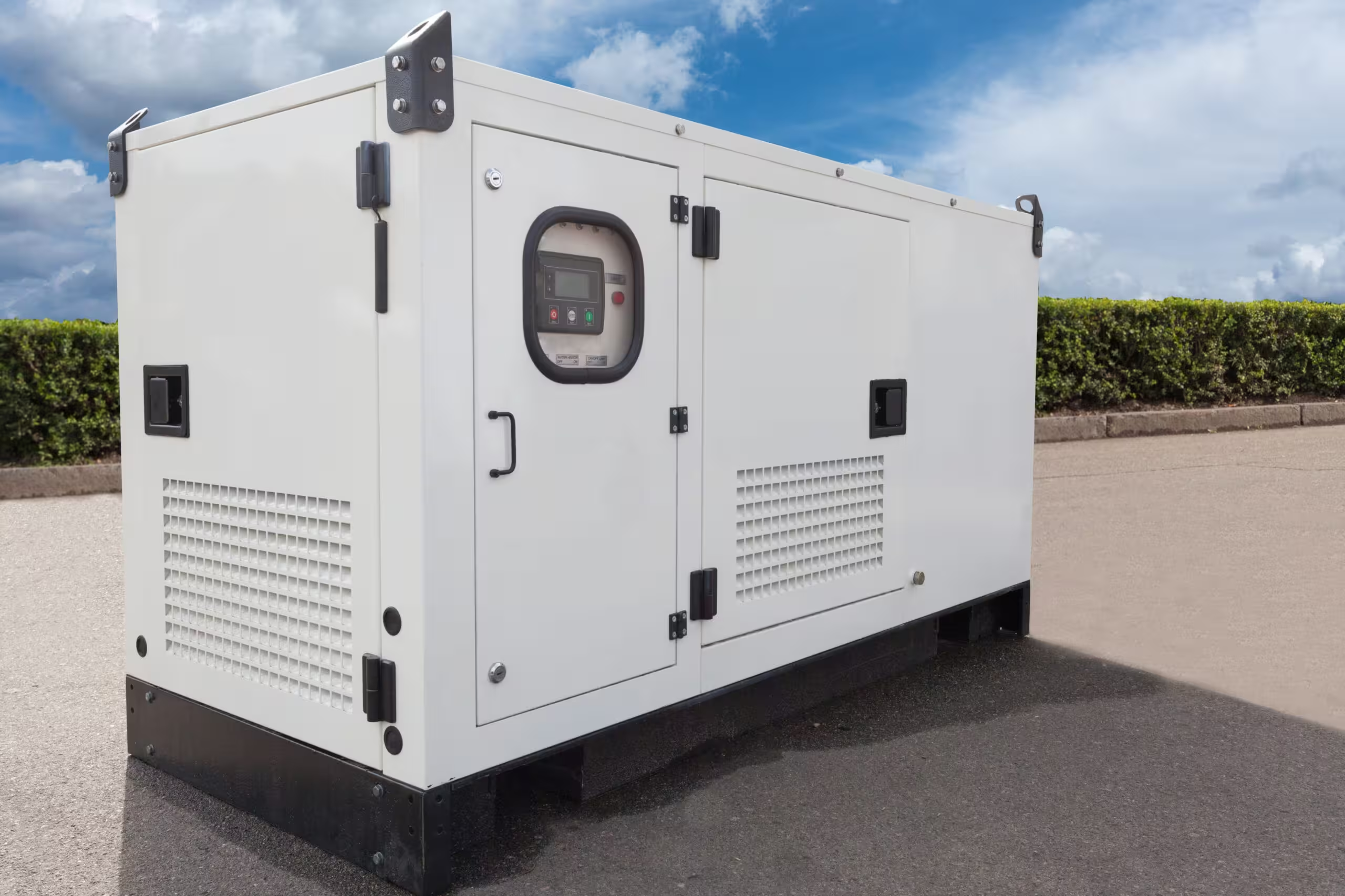
Data Center Standby Power Solutions
Standby power systems are a critical part of data center electrical infrastructure, providing alternative sources of electrical power when the normal utility supply is interrupted or unavailable.
A complete standby power architecture may combine Uninterruptible Power Supply (UPS) systems, battery banks, standby diesel generators, Automatic Transfer Switches (ATS), switchgear, distribution equipment, protection, controls, and monitoring systems.
These components perform different functions and should be coordinated as one integrated electrical system. Immediately following a loss of normal power, the UPS and its associated batteries can support designated critical loads while the standby generator starts and reaches the required operating conditions.
Once the generator source becomes available and the required electrical conditions are satisfied, the transfer system can connect the designated loads to the standby source according to the approved operating sequence.
Standby power system design begins with identification and classification of the facility loads. Critical IT equipment, network infrastructure, cooling systems, security systems, monitoring equipment, controls, and other essential services should be evaluated according to the required backup-power strategy.
UPS capacity should be selected according to the connected critical load, load characteristics, future expansion, redundancy requirements, and required battery runtime. Battery autonomy should also be coordinated with the expected generator starting and transfer sequence.
Standby generators provide longer-duration backup power when required. Generator capacity should consider connected loads, motor starting requirements, UPS input characteristics, cooling equipment, load steps, future expansion, and other electrical characteristics that can affect generator performance.
Automatic Transfer Switches (ATS) or other approved transfer arrangements monitor the availability of power sources and perform transfer operations according to the system control philosophy. Transfer timing and logic should be coordinated with the UPS, generators, switchgear, and connected loads.
For data centers requiring higher levels of availability, standby power infrastructure may include redundancy configurations such as N+1, 2N, or other architectures defined by the approved electrical design.
Redundancy should be considered across the complete power path rather than at a single component. UPS modules, batteries, generators, switchgear, transfer equipment, distribution paths, and other critical components should be coordinated with the required system architecture.
Electrical protection and selectivity are also important considerations. Circuit breakers, protective devices, cable ratings, fault levels, and equipment protection should be coordinated according to the approved electrical studies and project requirements.
Earthing and bonding form another important part of the standby electrical system and should be coordinated with generators, UPS equipment, switchgear, distribution boards, and the overall facility earthing arrangement.
Monitoring systems can provide operating information from the standby power infrastructure, including source availability, UPS status, battery conditions, generator operation, ATS position, alarms, electrical parameters, and other supported data.
Where required, these monitoring points can be integrated with the Building Management System (BMS) or another compatible centralized monitoring platform to provide facility operators with consolidated system status and alarm information.
Testing and commissioning should verify the operation of individual components and the complete standby power sequence. This may include utility failure simulation, UPS battery operation, generator starting, source transfer, return to normal power, alarms, protection, controls, and system interfaces.
Perfect Solution Contracting provides integrated standby power solutions for data centers covering load assessment, design coordination, UPS systems, battery banks, standby generators, ATS, switchgear, distribution, protection, monitoring, installation, integration, testing, and commissioning in accordance with project requirements.
- Integrated standby power solutions for data centers and critical facilities.
- Uninterruptible Power Supply (UPS) systems for designated critical loads.
- Battery banks sized according to load and required backup runtime.
- Standby diesel generators for extended backup power.
- Automatic Transfer Switch (ATS) integration.
- Critical-load identification and power architecture coordination.
- Generator and UPS compatibility coordination.
- Redundancy configurations such as N+1 or 2N where specified.
- Switchgear and electrical distribution coordination.
- Electrical protection and selectivity coordination.
- Earthing and bonding coordination.
- UPS, battery, generator, and ATS monitoring.
- Building Management System (BMS) integration where required and supported.
- Utility failure and standby-power sequence testing.
- Integrated system testing and commissioning.